Processing Materials
Semi-Conductive Cable Compounds
Customer Location
India
Output
900-1100 KG/H
L/D
22:1
Why Use a Co Kneader Instead of a Twin-Screw Extruder?
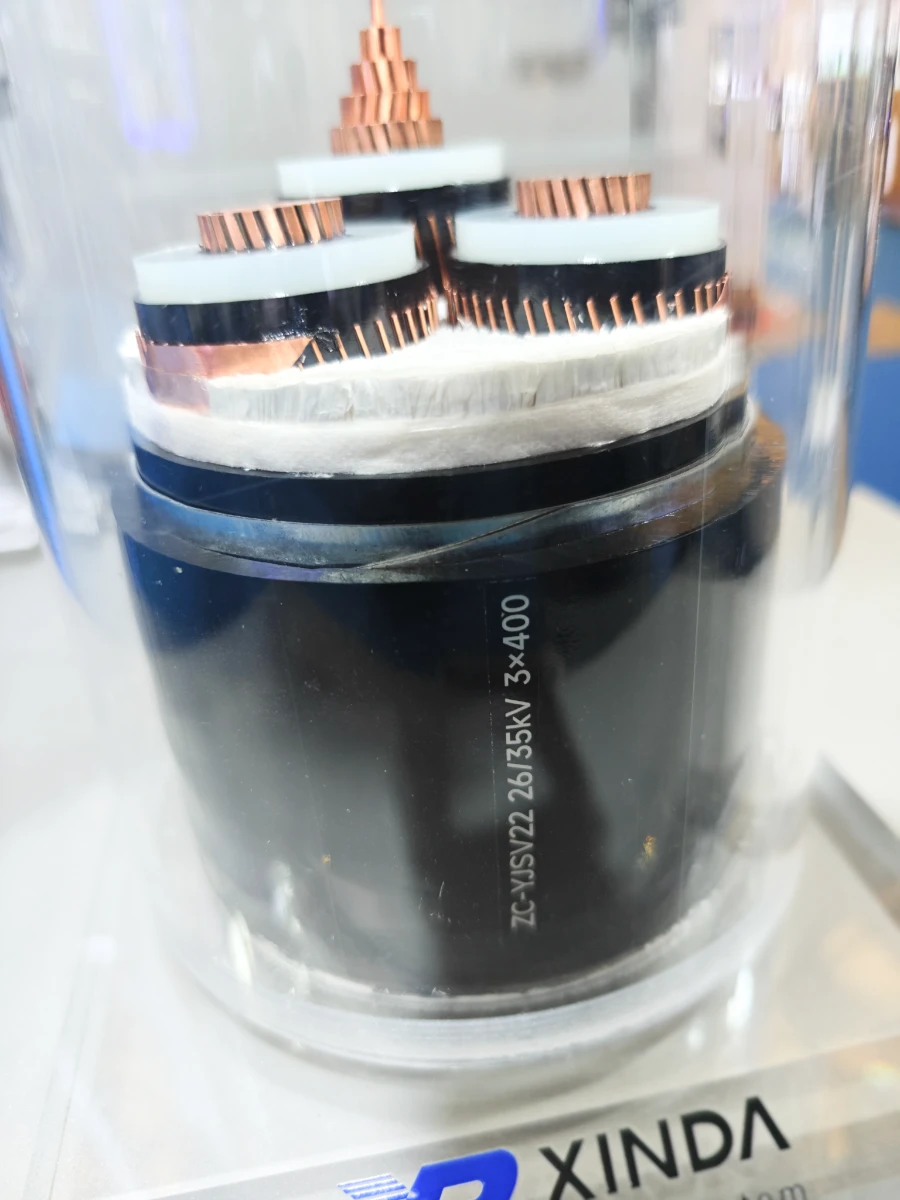
Semi-conductive shielding compounds for cables typically contain a high proportion of conductive carbon black. This necessitates precise control over carbon black dispersion, melt temperature, and the stability of the product’s electrical properties. Compared to conventional twin-screw extruders, co kneader are ideally suited for processing shielding compounds used in medium, high, and ultra-high-voltage cables—applications that demand exceptional surface finish and stable electrical conductivity.
Balancing Carbon Black Dispersion and Integrity: If the shear force is too weak, the carbon black will not disperse uniformly, leading to the formation of micro-protrusions on the surface of the shielding compound (which can cause partial discharge). Conversely, if the shear force is too strong, the conductive network structure formed by the carbon black particles may be damaged, increasing volume resistivity.
In a co kneader, the screw undergoes both rotational and axial reciprocating motion. As a result, the material is subjected to repeated shearing, dispersion, and re-mixing between the barrel pins and the screw flights.
This mixing method ensures a more uniform distribution of shear forces throughout the entire mixing process, preventing energy from becoming overly concentrated in localized areas. In the case of highly carbon-black-filled systems, this facilitates more thorough and homogeneous dispersion of the conductive carbon black within the polymer matrix, while simultaneously reducing the risk of localized overheating and thermal degradation of the material.
Furthermore, co kneader can be integrated with systems such as staged forced feeding, liquid injection, vacuum devolatilization, melt filtration, melt pumps, and underwater pelletizing to form a comprehensive, continuous production line for semi-conductive shielding compounds. Consequently, for projects involving semi-conductive shielding compounds—characterized by high carbon black content, relatively stable formulations, and a strong emphasis on uniform dispersion and consistent product quality—a reciprocating kneading extruder represents an ideal processing solution.
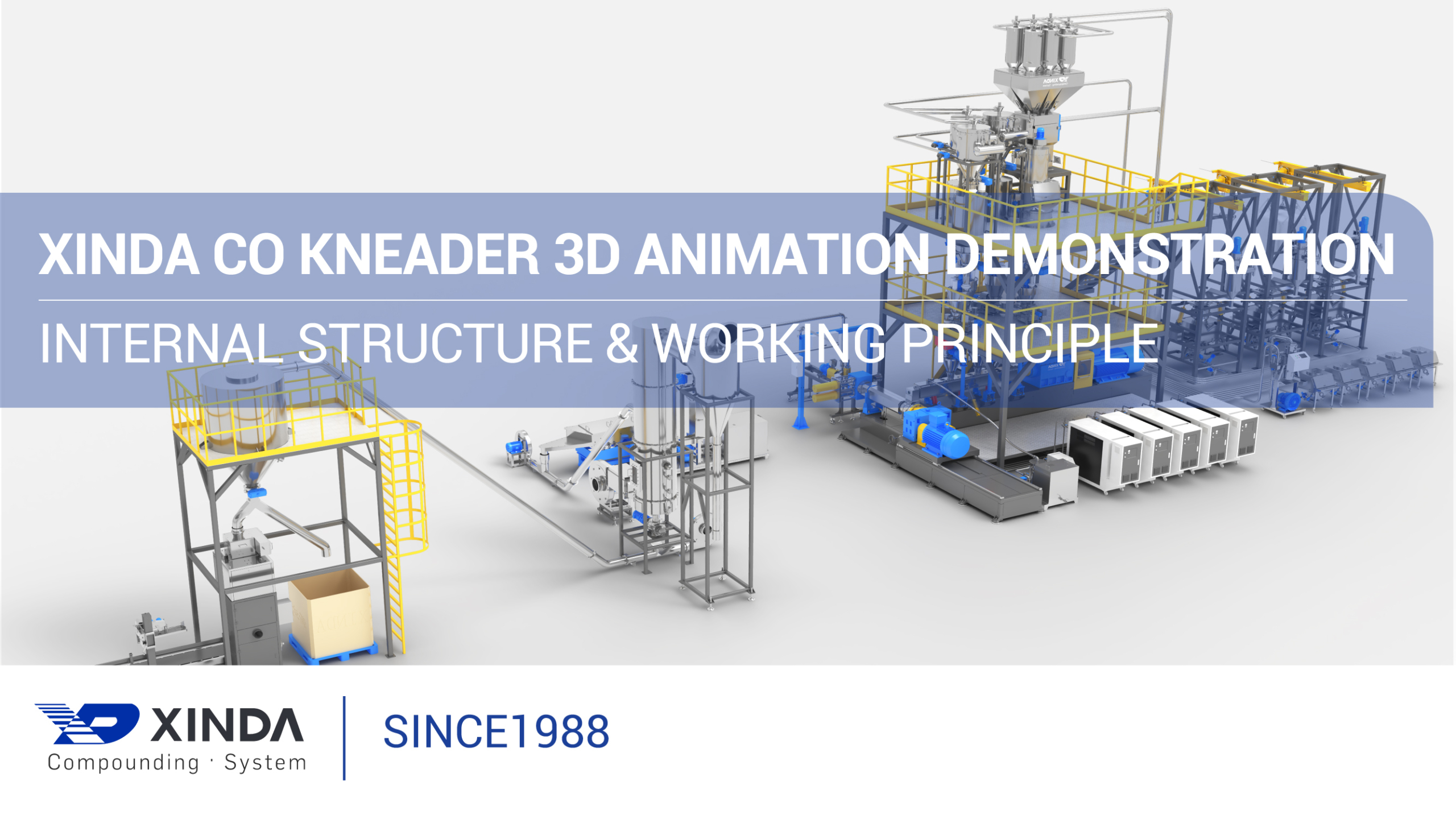
See the Co-Kneader in Action.
Explore the co-kneader’s design and operating principle in our 3D walkthrough, then watch the test run to see the machine in operation.
Device Configuration Overview
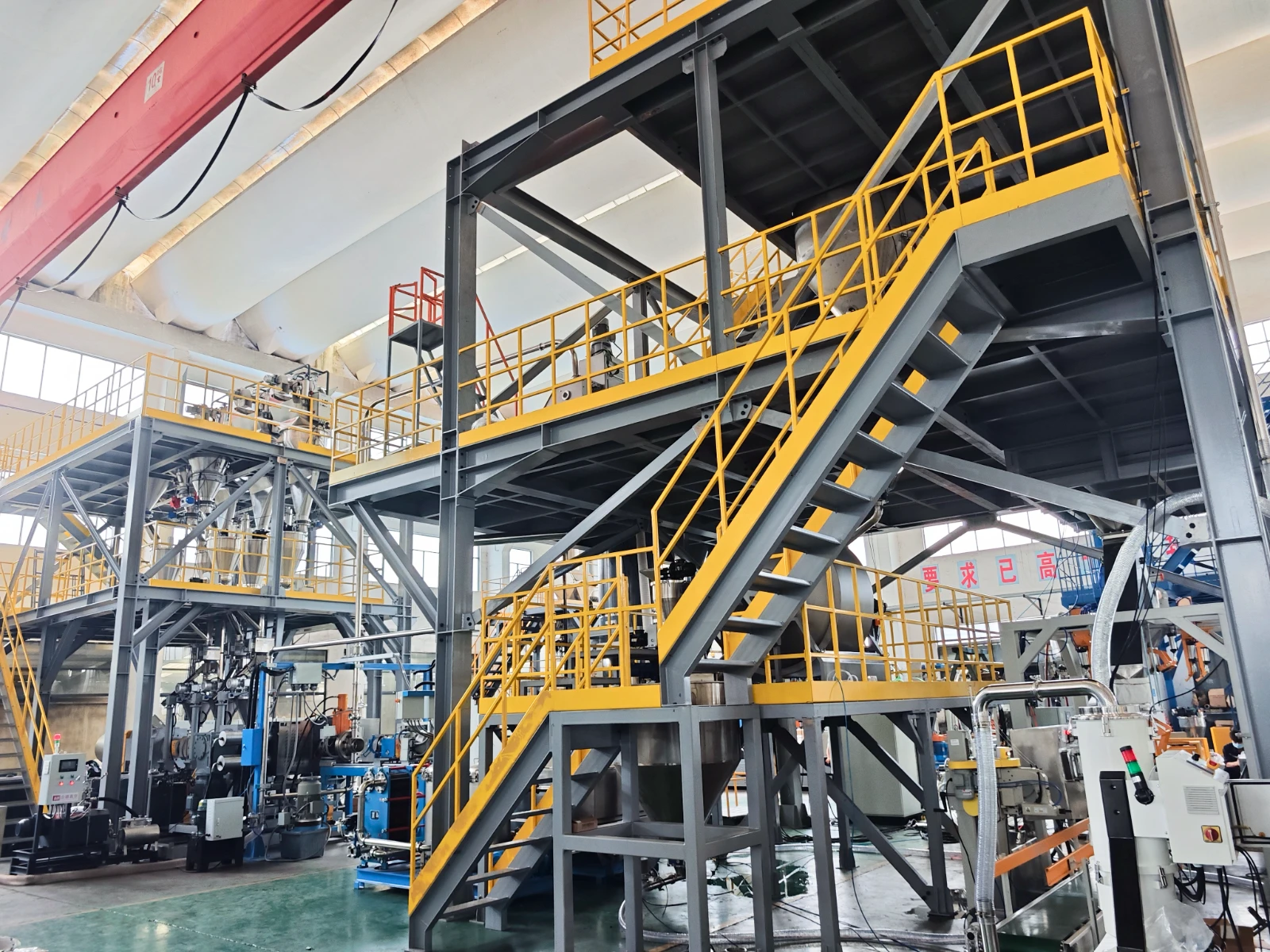
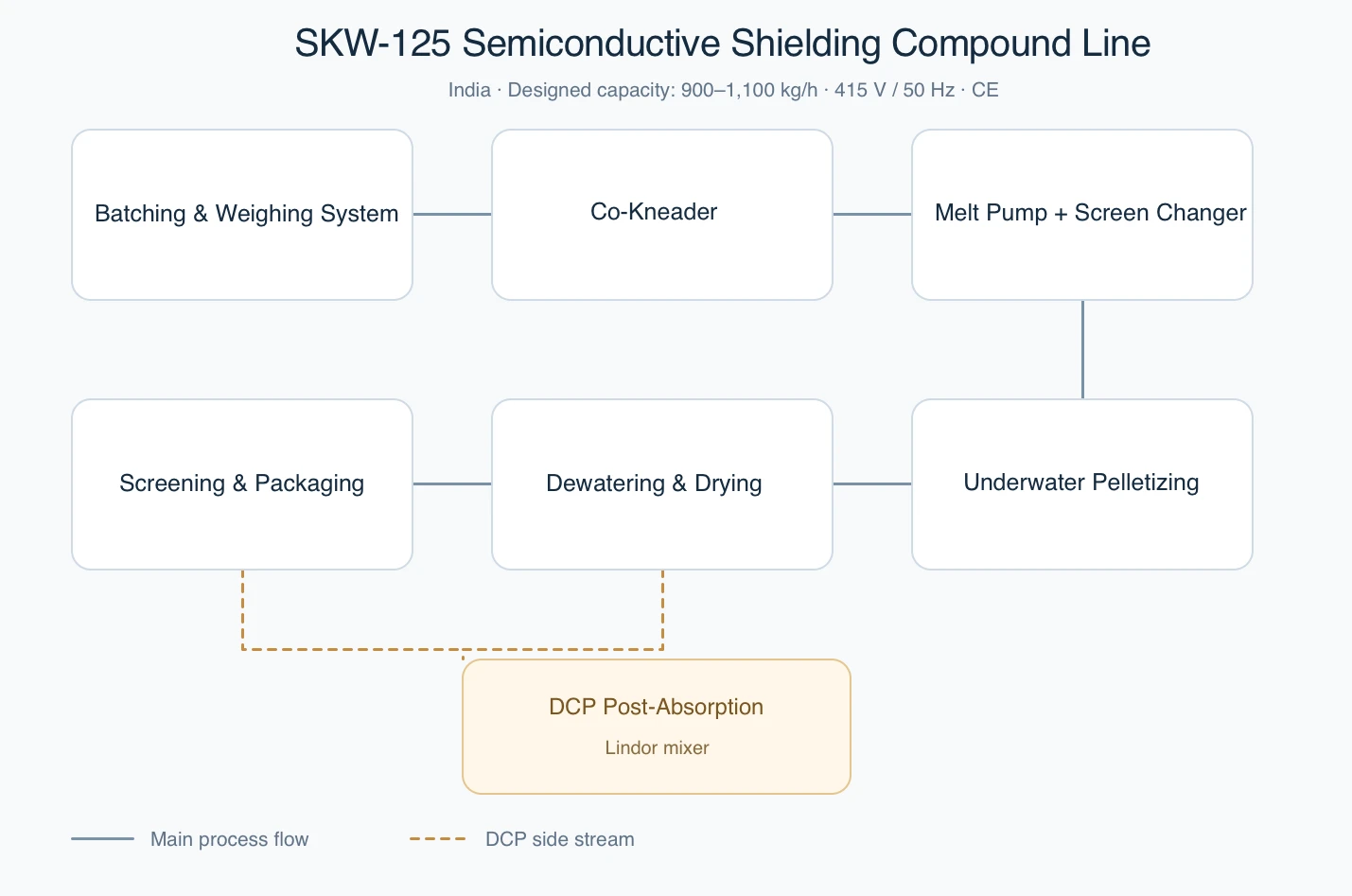
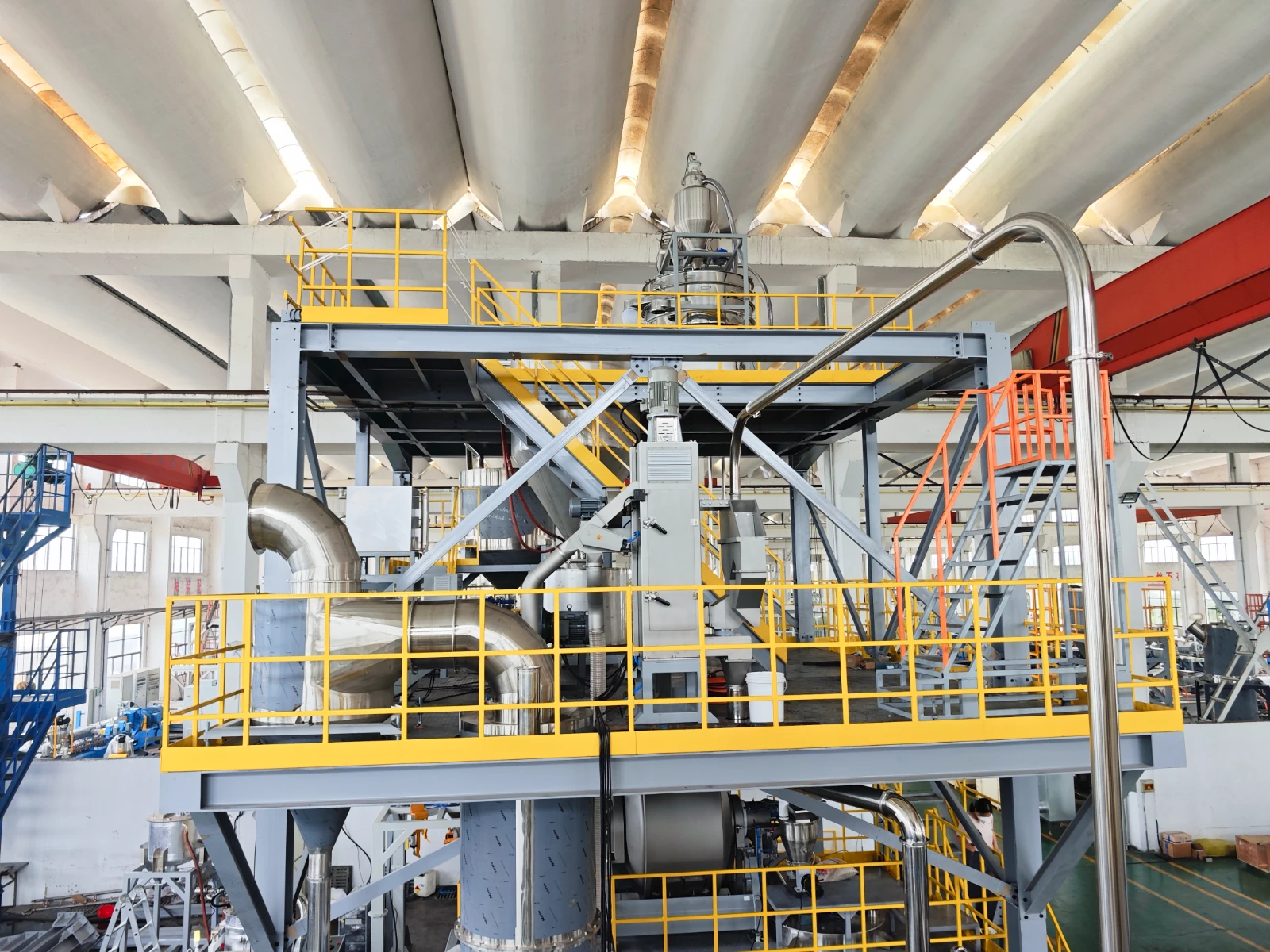
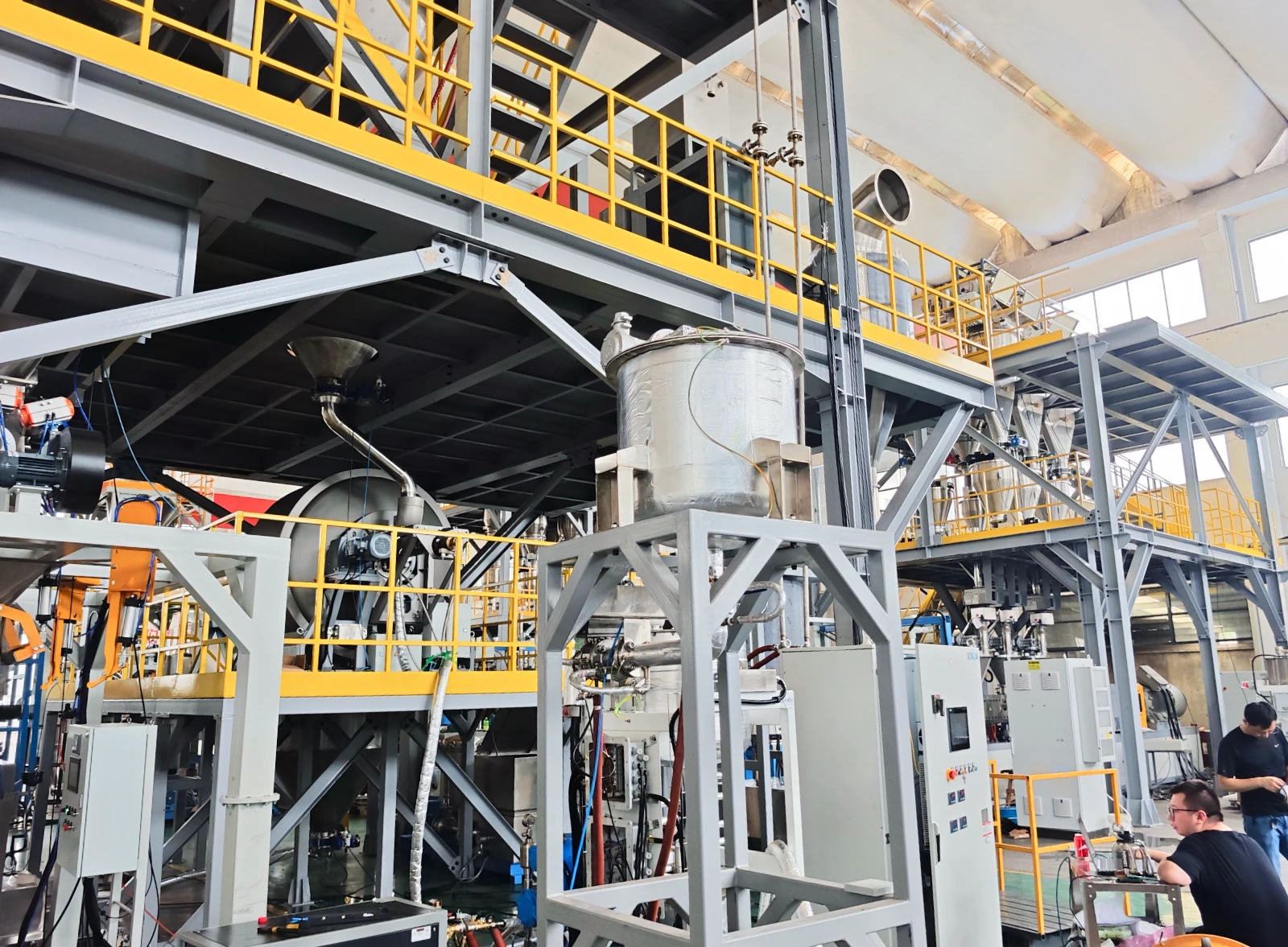
This granulation production line, customized for an Indian client, is designed for the manufacture of semi-conductive shielding cable compounds. At its core is an SKW-125 reciprocating single-screw kneading extruder, integrated with an automated multi-component dosing system featuring six loss-in-weight feeders, as well as an underwater pelletizing unit, a fluid-bed dryer, and a post-processing line for DCP (dicumyl peroxide) incorporation. The system has a designed capacity of 900–1100 kg/h and is delivered in full compliance with CE standards.
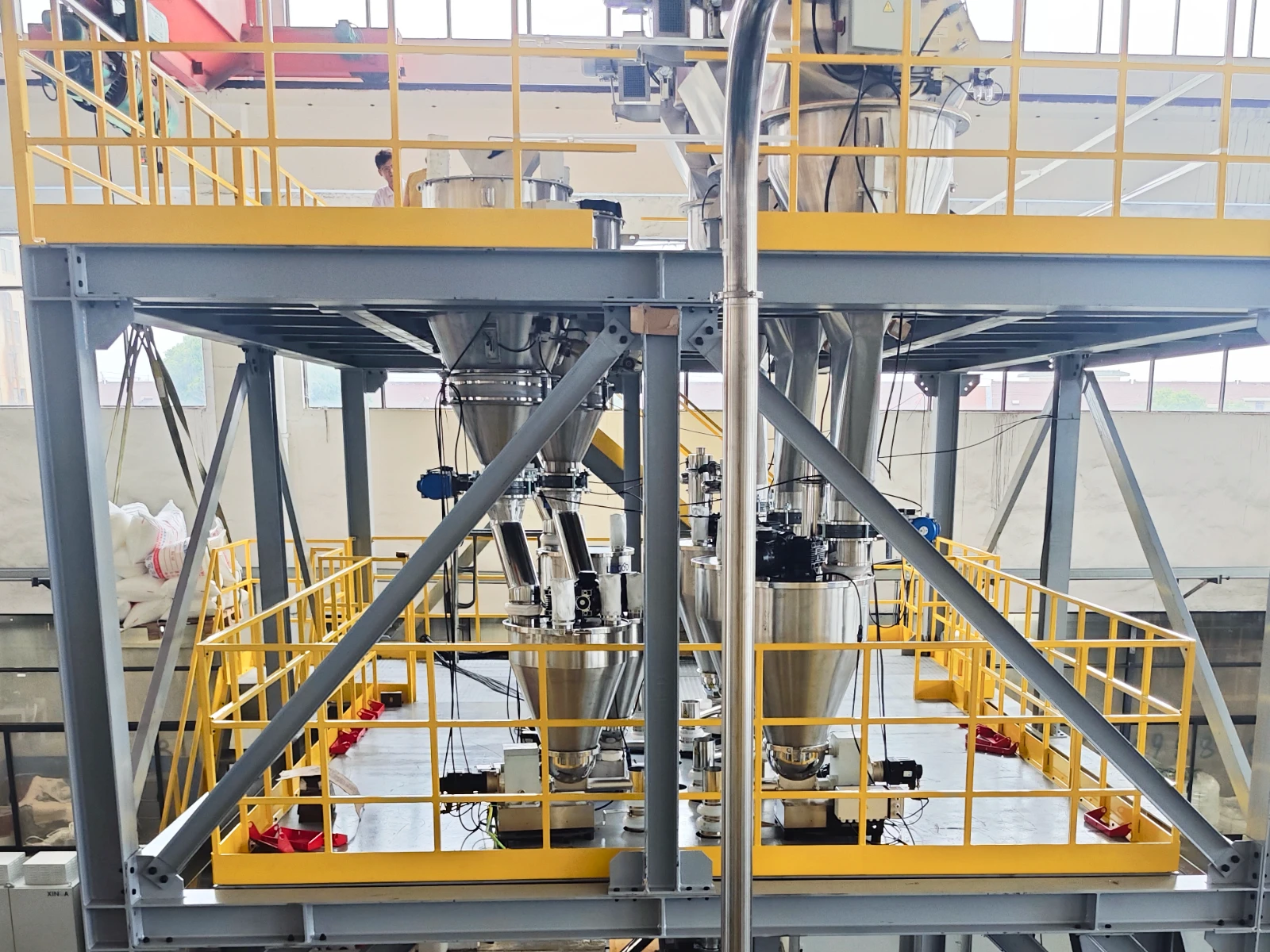
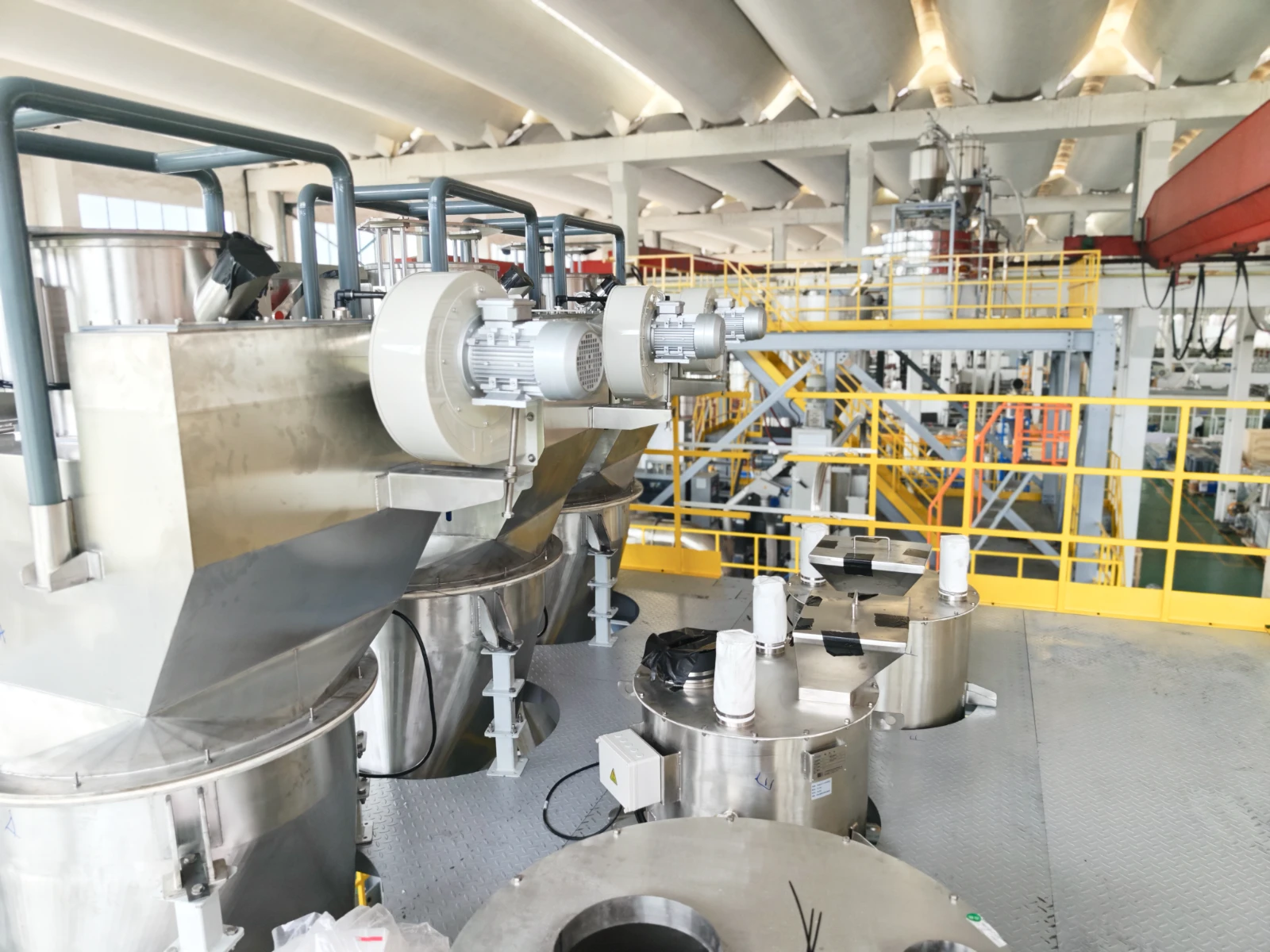
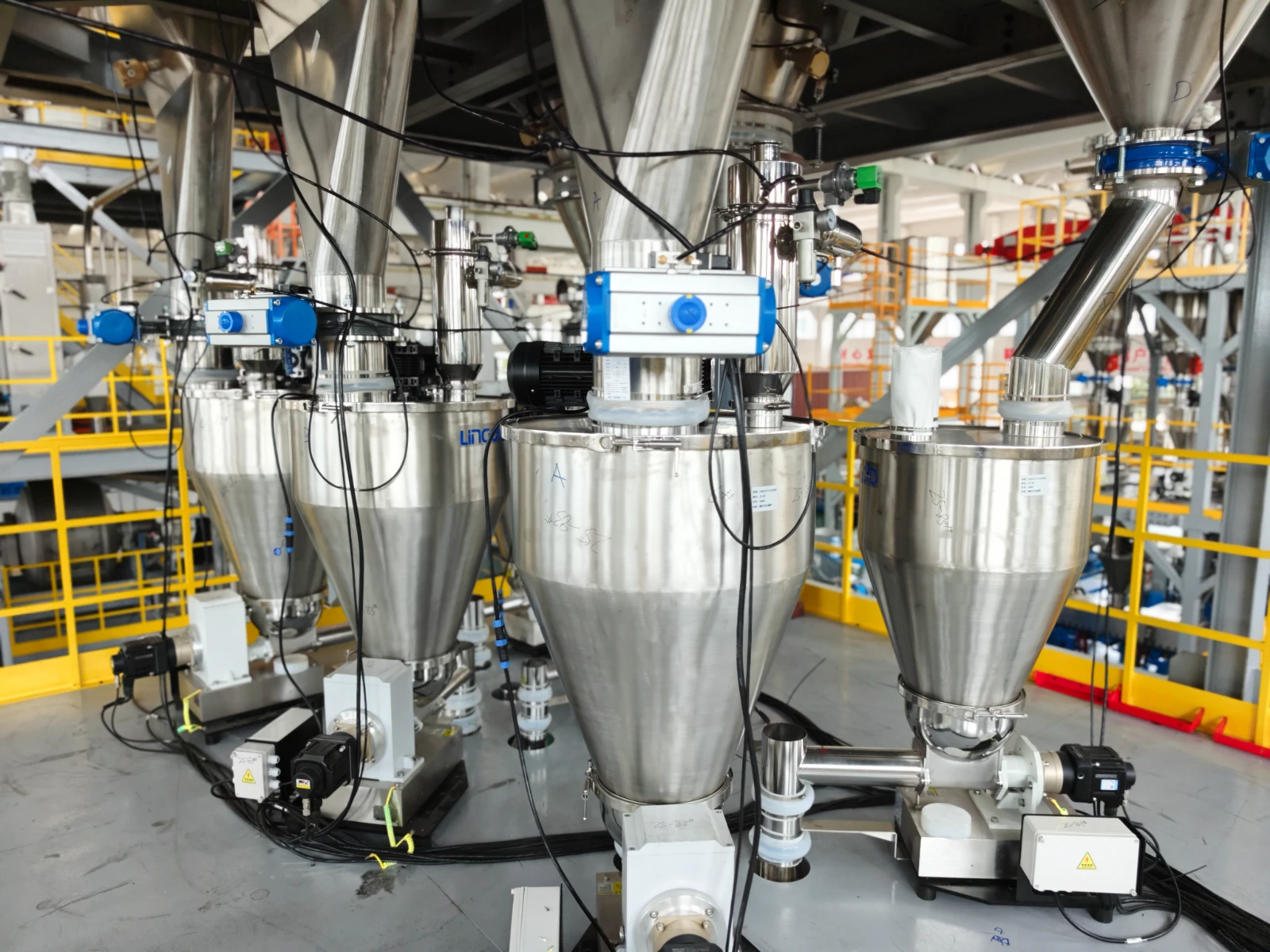
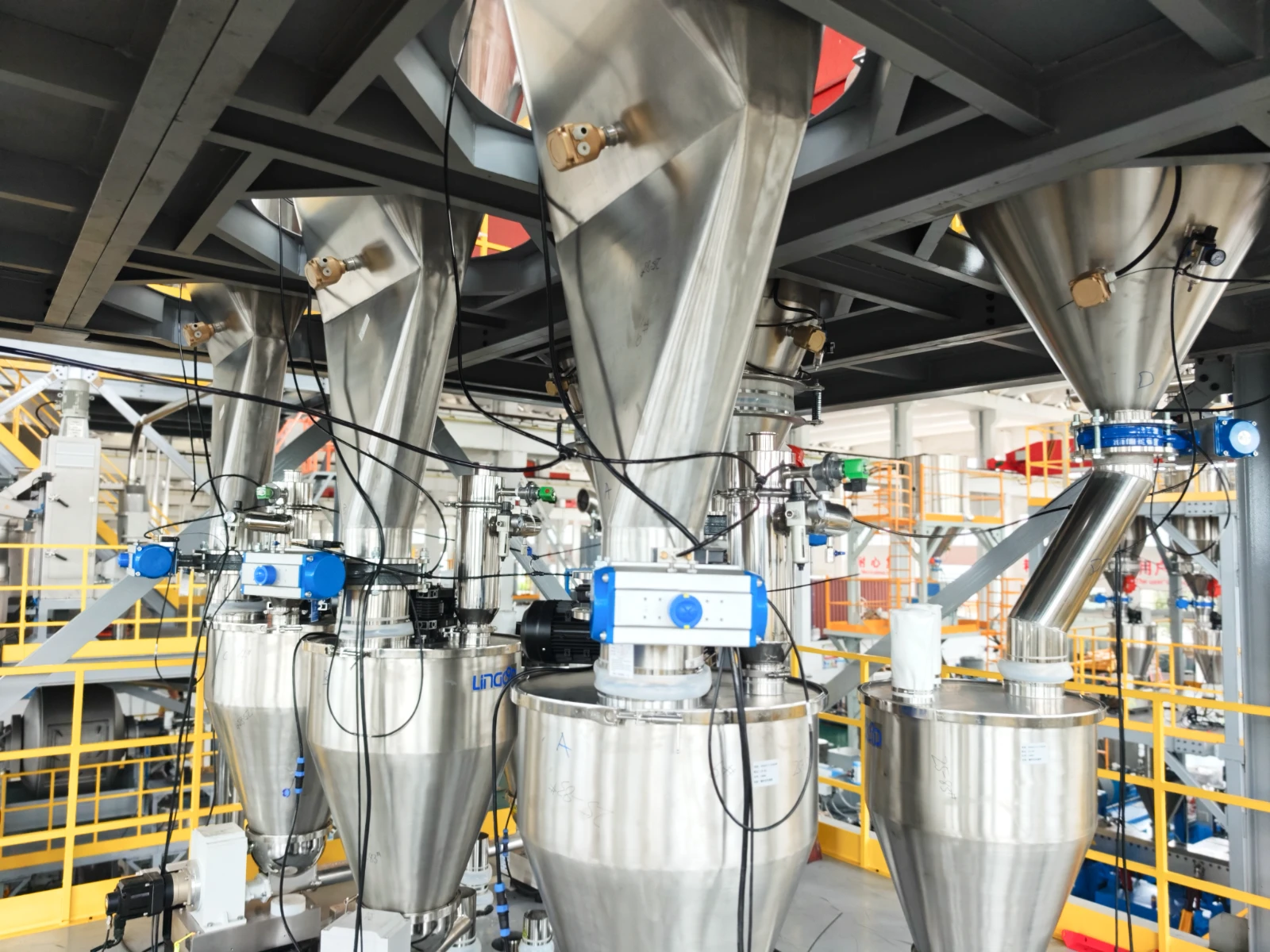
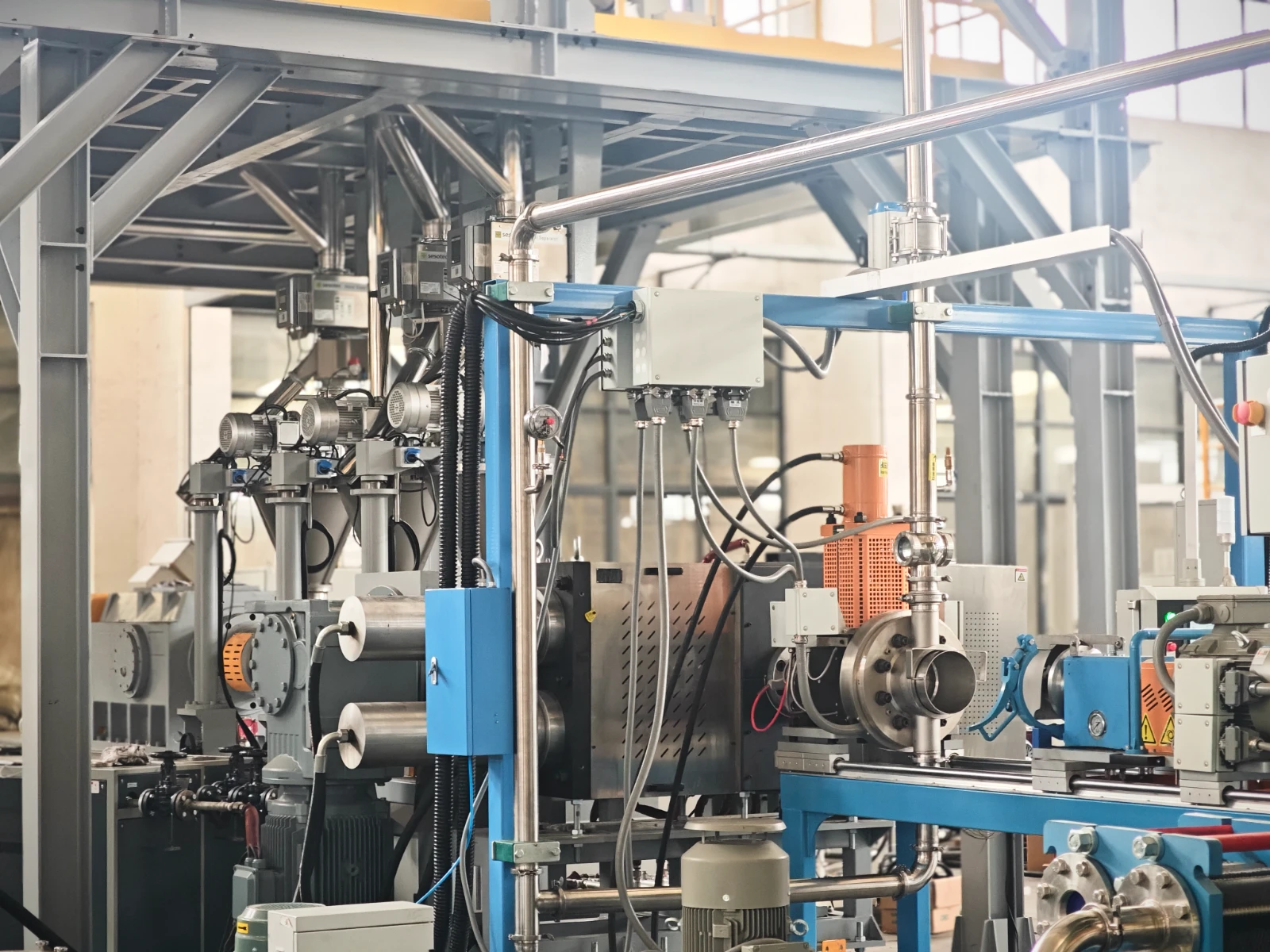
Metering and Batching System
- An integrated system featuring a three-tier anti-vibration platform and a bulk bag (FIBC) unloading station
- It comprises a loss-in-weight feeder (designed to prevent material bridging and leakage), batching scale, storage silo, carbon black unloading station, and pellet feeding station equipped with a vacuum loader.
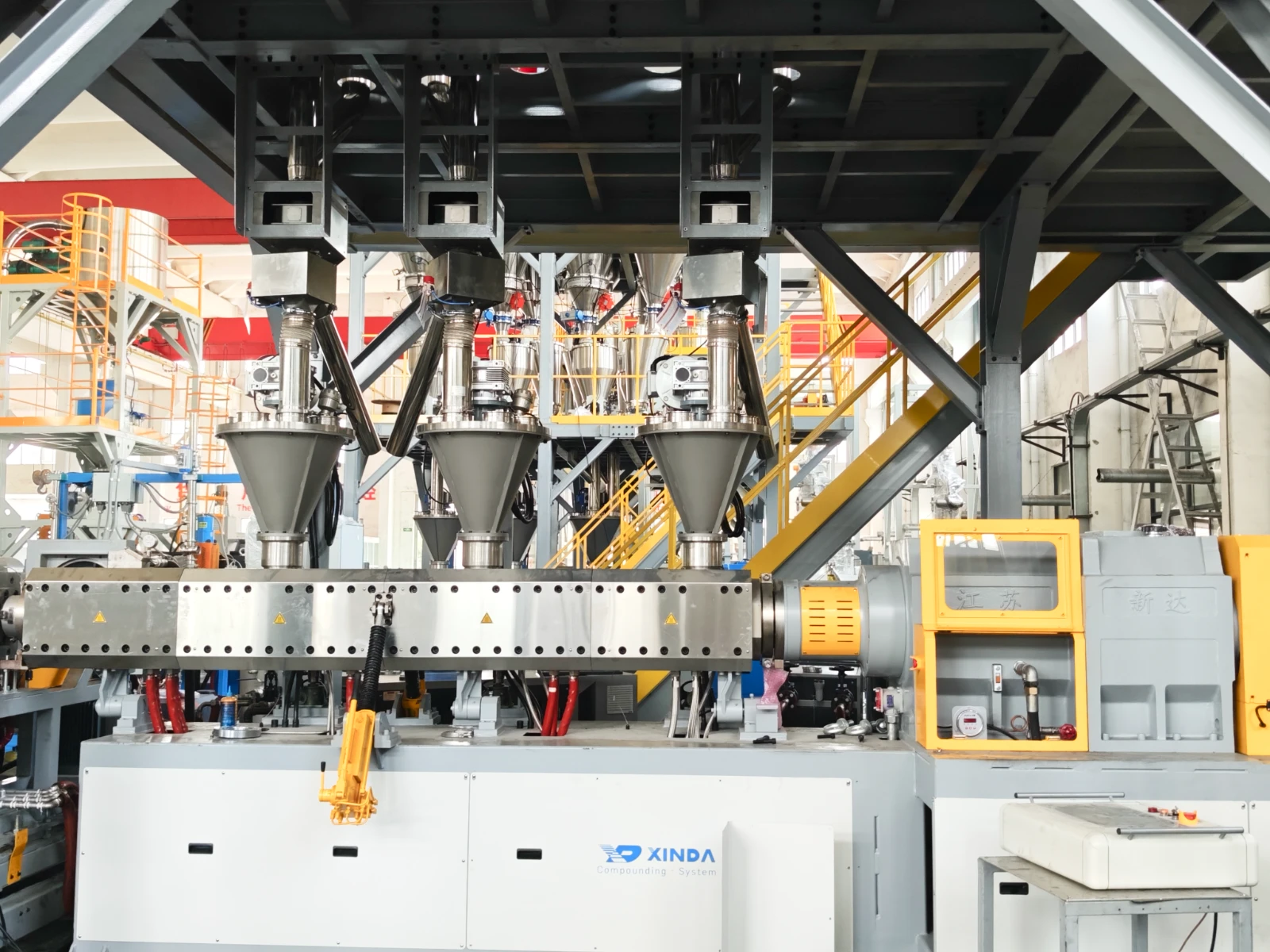
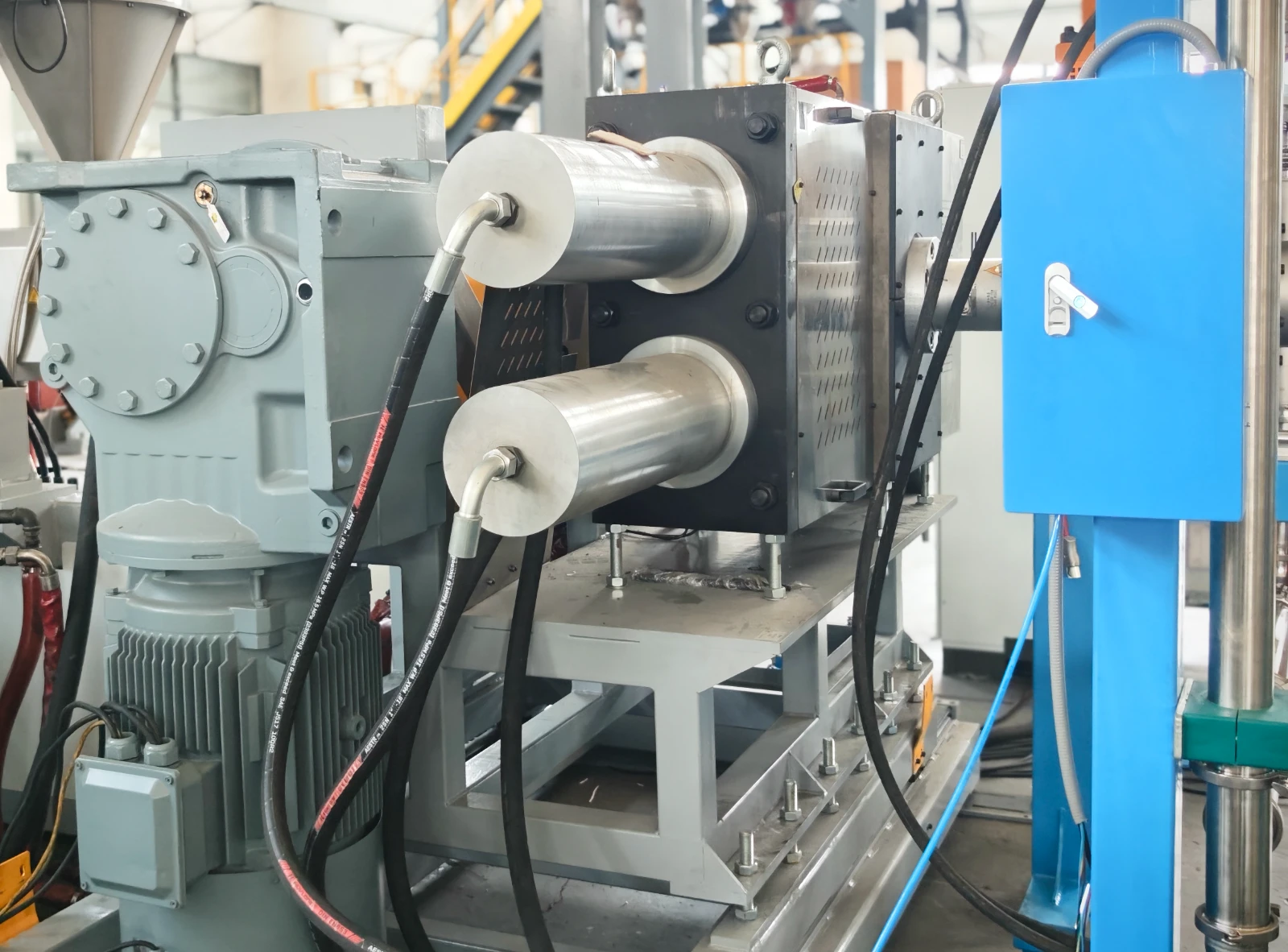
SKW-125 Co Kneader
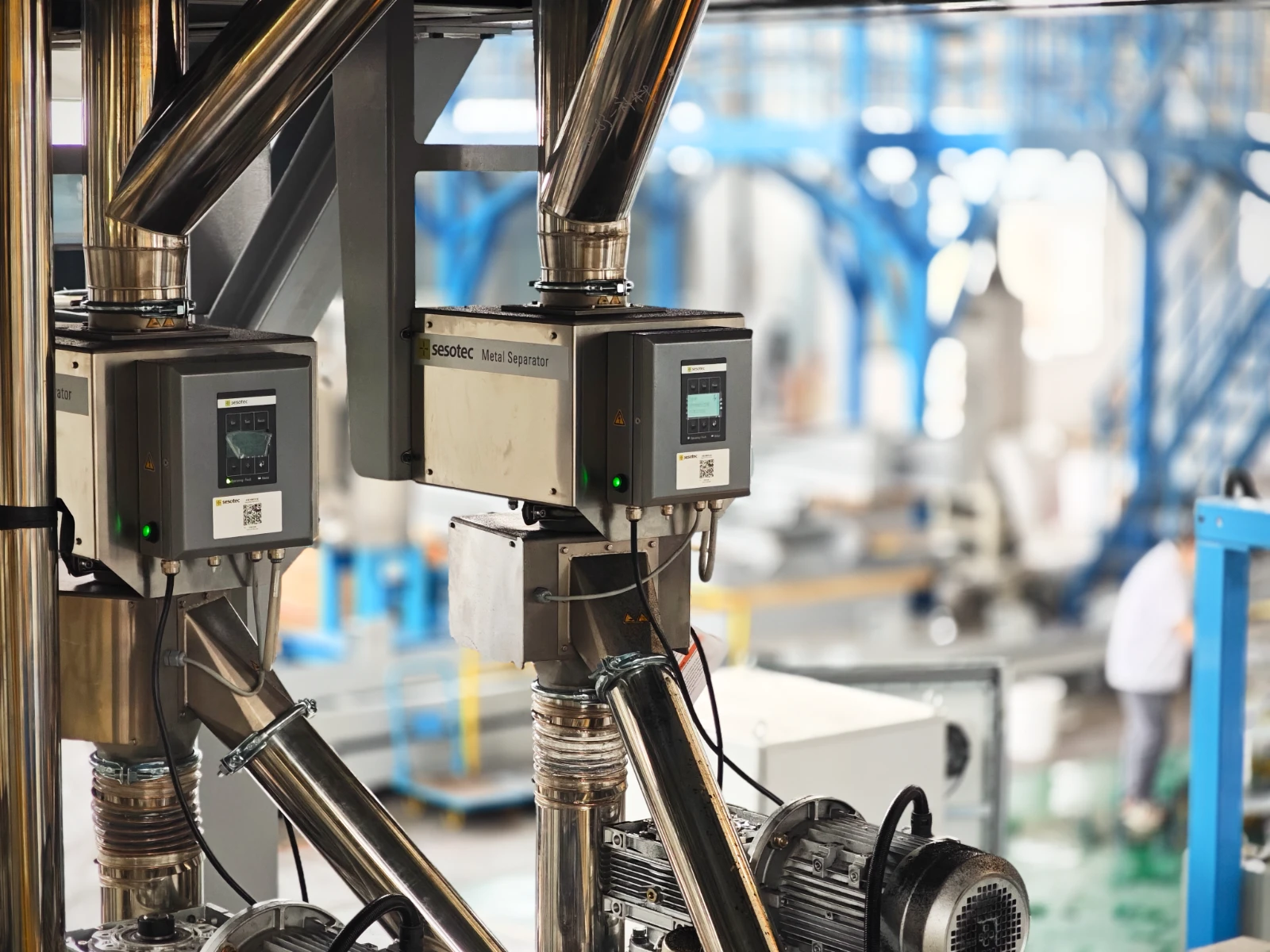
- Forced feeding: Located in zones 1, 2, and 3; equipped with 3 metal separators
- Screw and barrel: L/D = 22; barrel assembly divided into 4 temperature-controlled zones
- Screw elements and bushings made of 38CrMoAlA with nitriding treatment
- Drive system: Distribution gearbox + reduction gearbox; screw speed: 500 rpm; equipped with a Mayr safety coupling
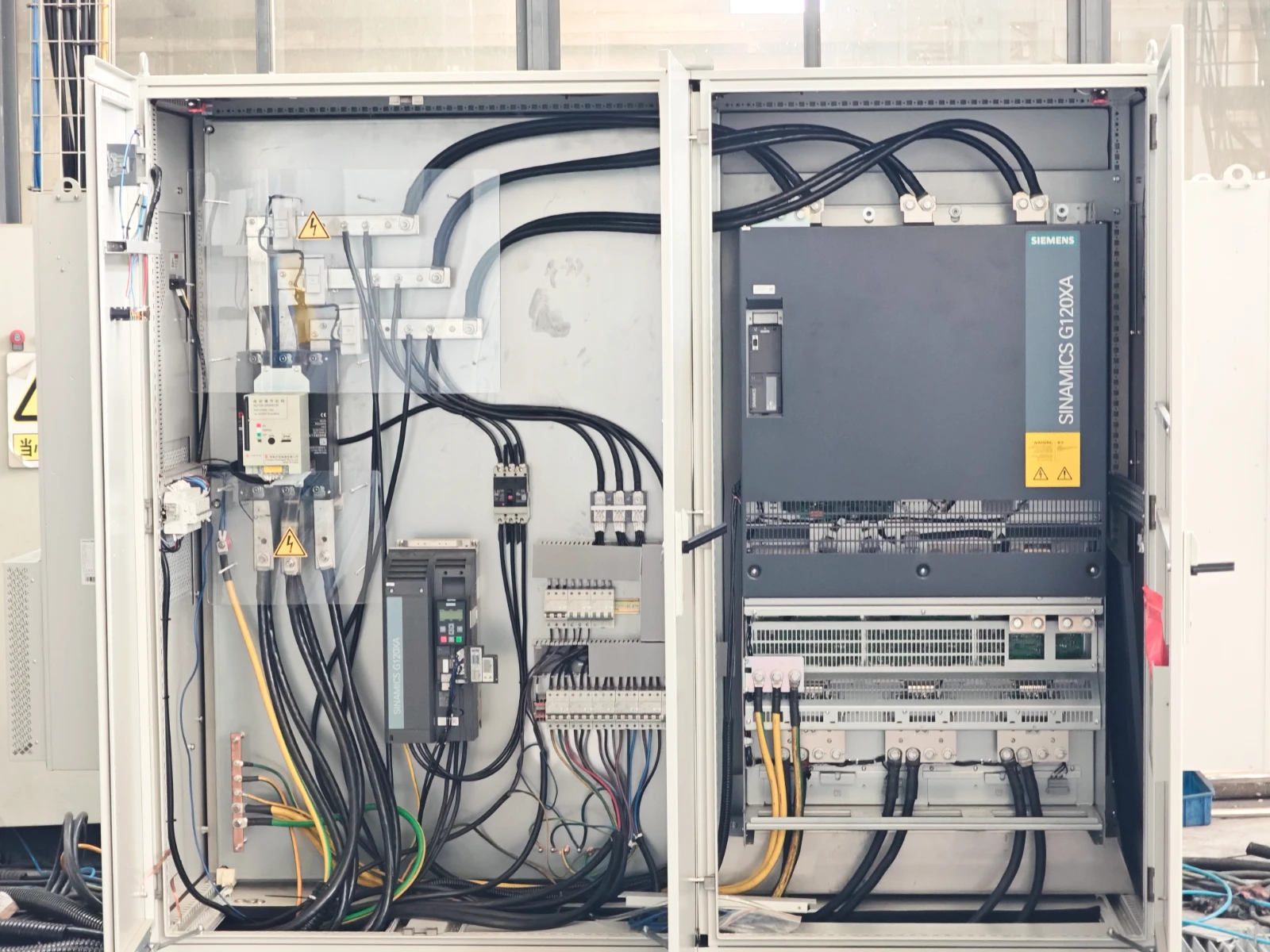
- Main motor: 400 kW, Siemens motor with a Siemens variable-frequency drive (VFD)
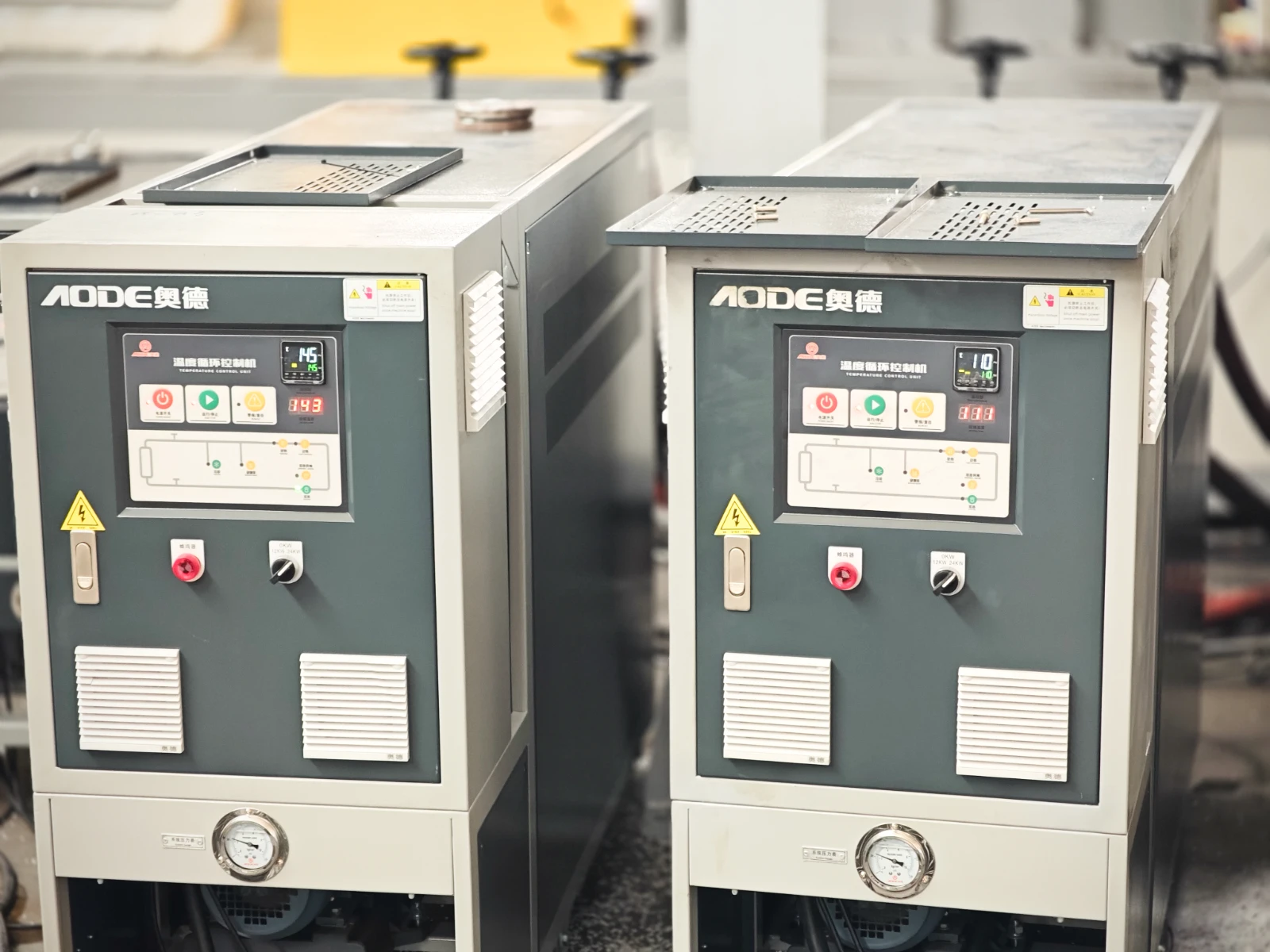
- Barrel temperature control: oil-based temperature control units (TCUs); temperature monitored via thermocouples
- Mandrel temperature control: Thermal oil heating and cooling system
- Vacuum system: Oil-free dry claw-type vacuum pump
- Liquid injection: Injection guns and injection nozzles

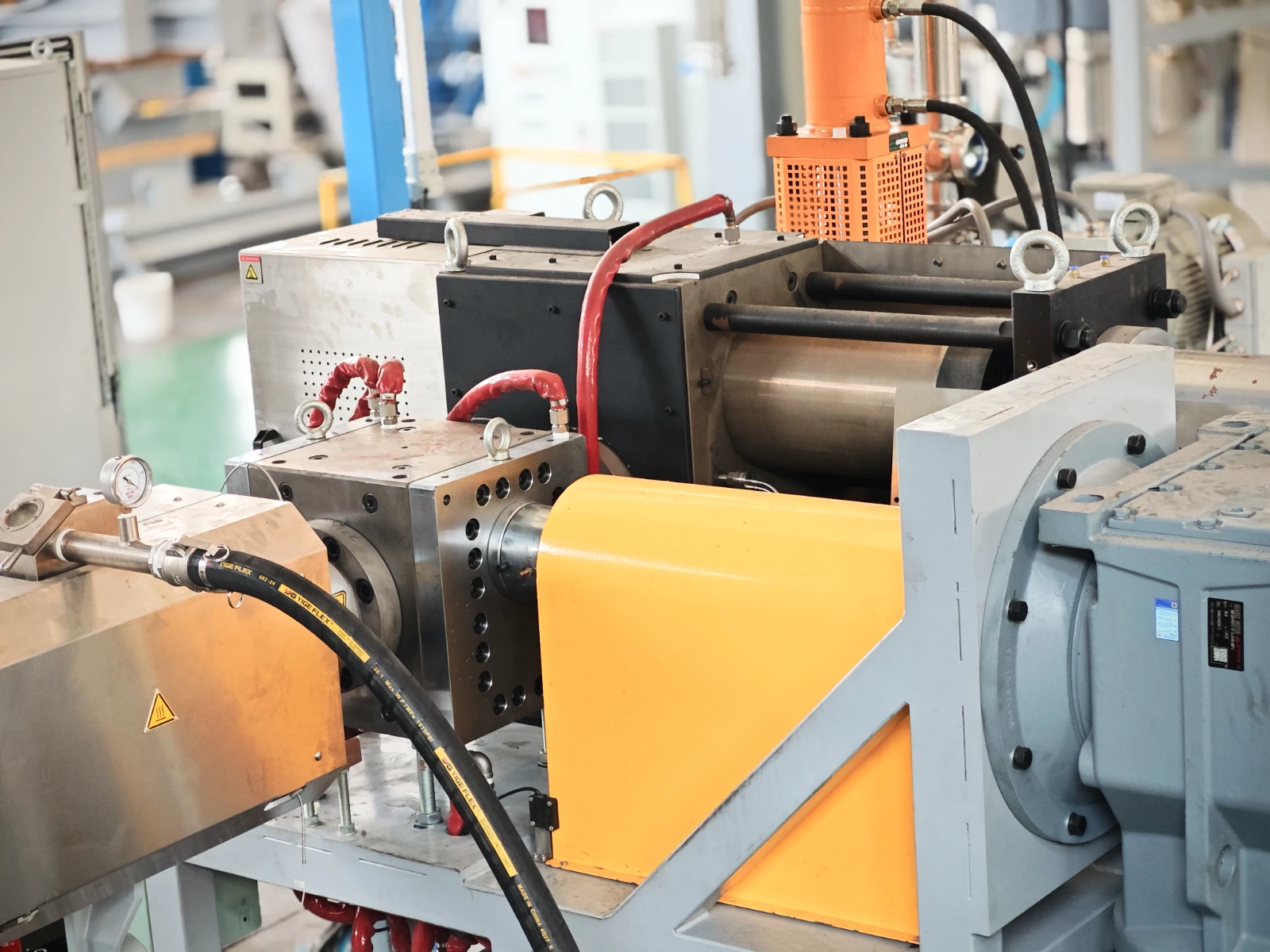
Melt Pump and Screen Changer
- Melt Pump: Siemens variable-frequency drive (VFD)
- Heating Method: Electric heating + water cooling
- Screen Changer: Dual-piston, dual-channel type
Pelletizing and Post-processing System
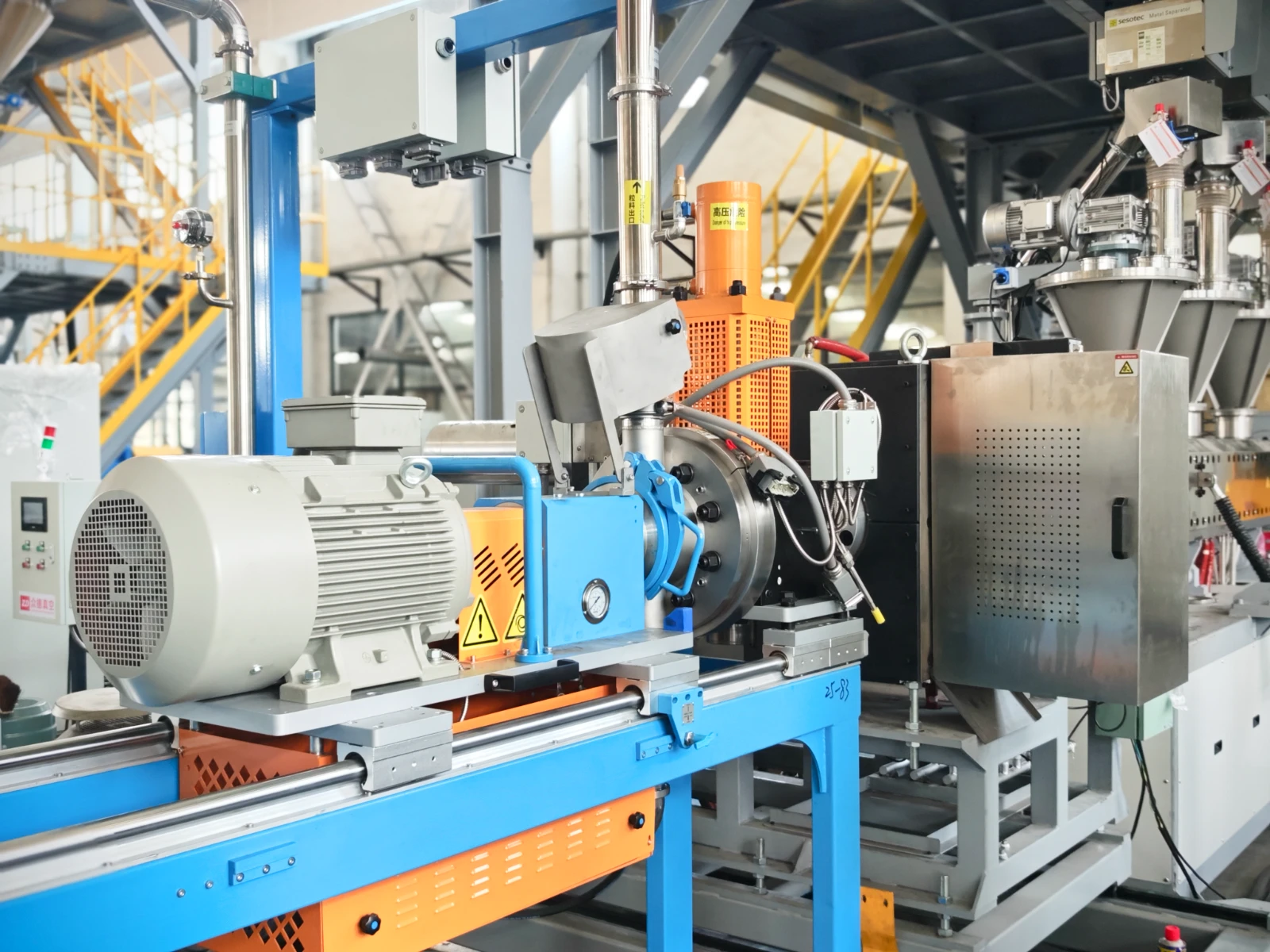
- Underwater Pelletizer: Siemens VFD; movable guide rails; die plate made of highly wear-resistant alloy
- Centrifugal Dewatering: Equipped with an automatic sampling valve at the discharge outlet
- Fluidized-bed Drying
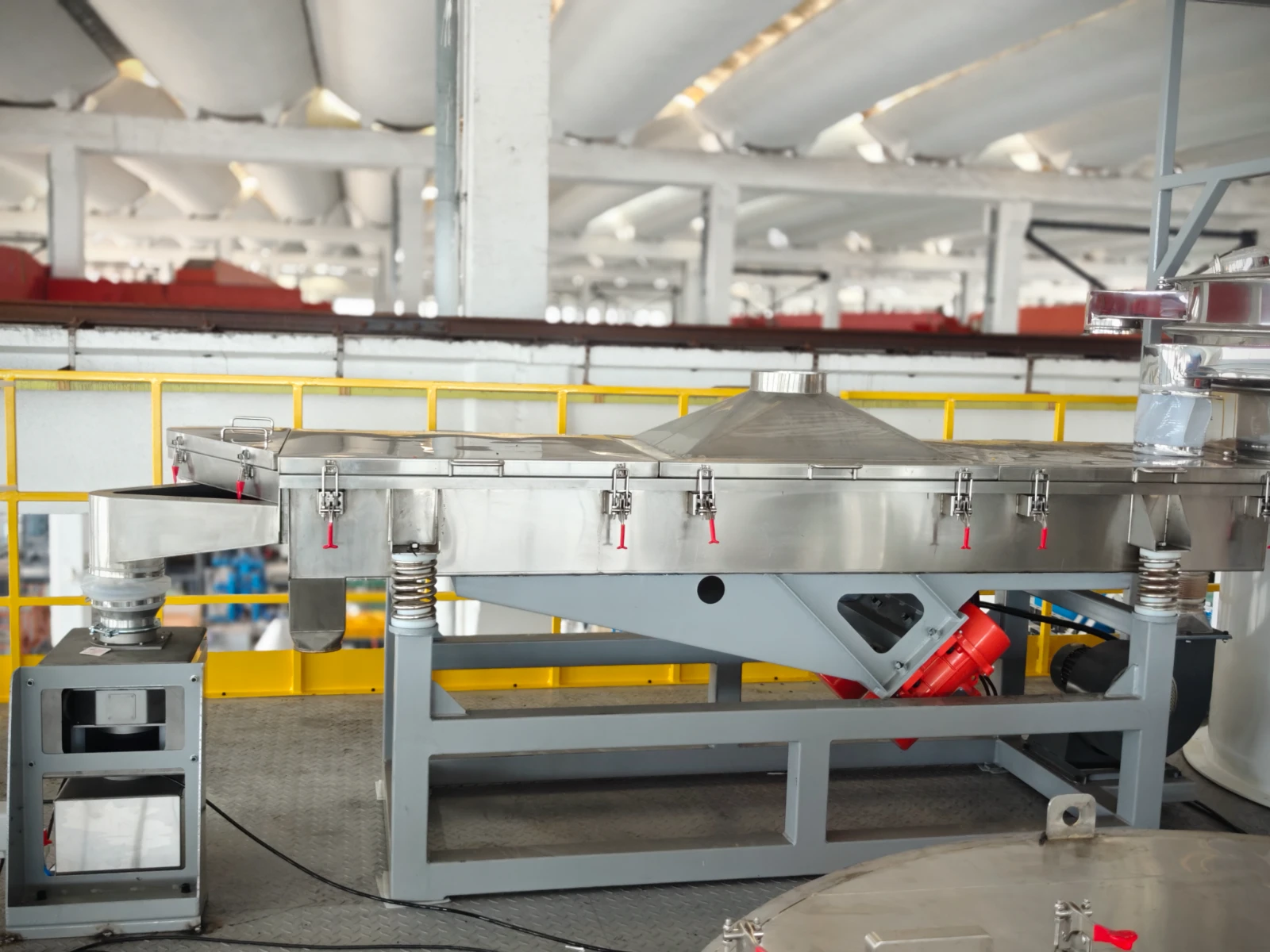
- Screening: Vacuum loader + intermediate storage silo + circular vibrating screen + linear vibrating screen
- Finished Product Silo
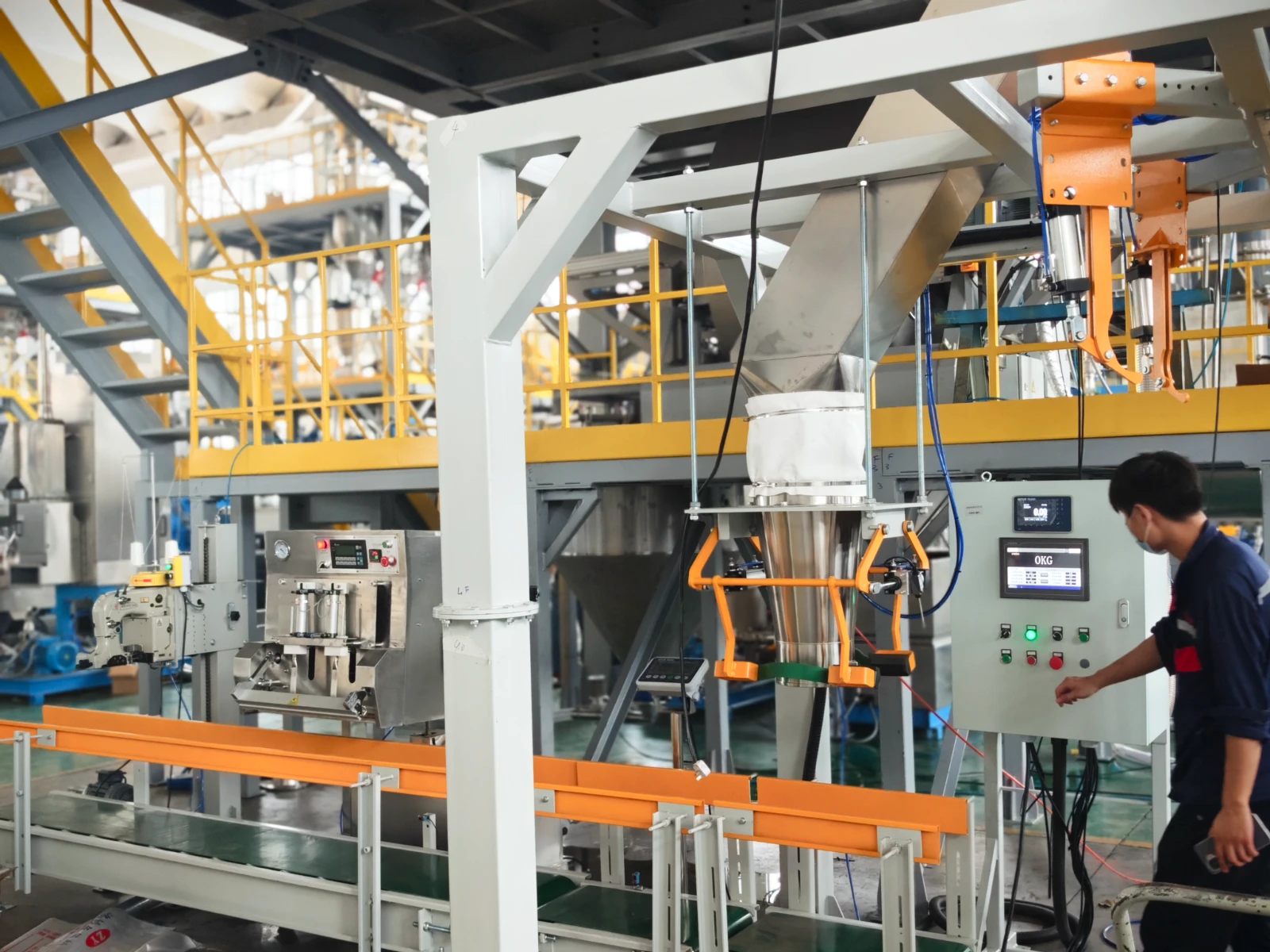
- Packaging: Semi-automatic packaging
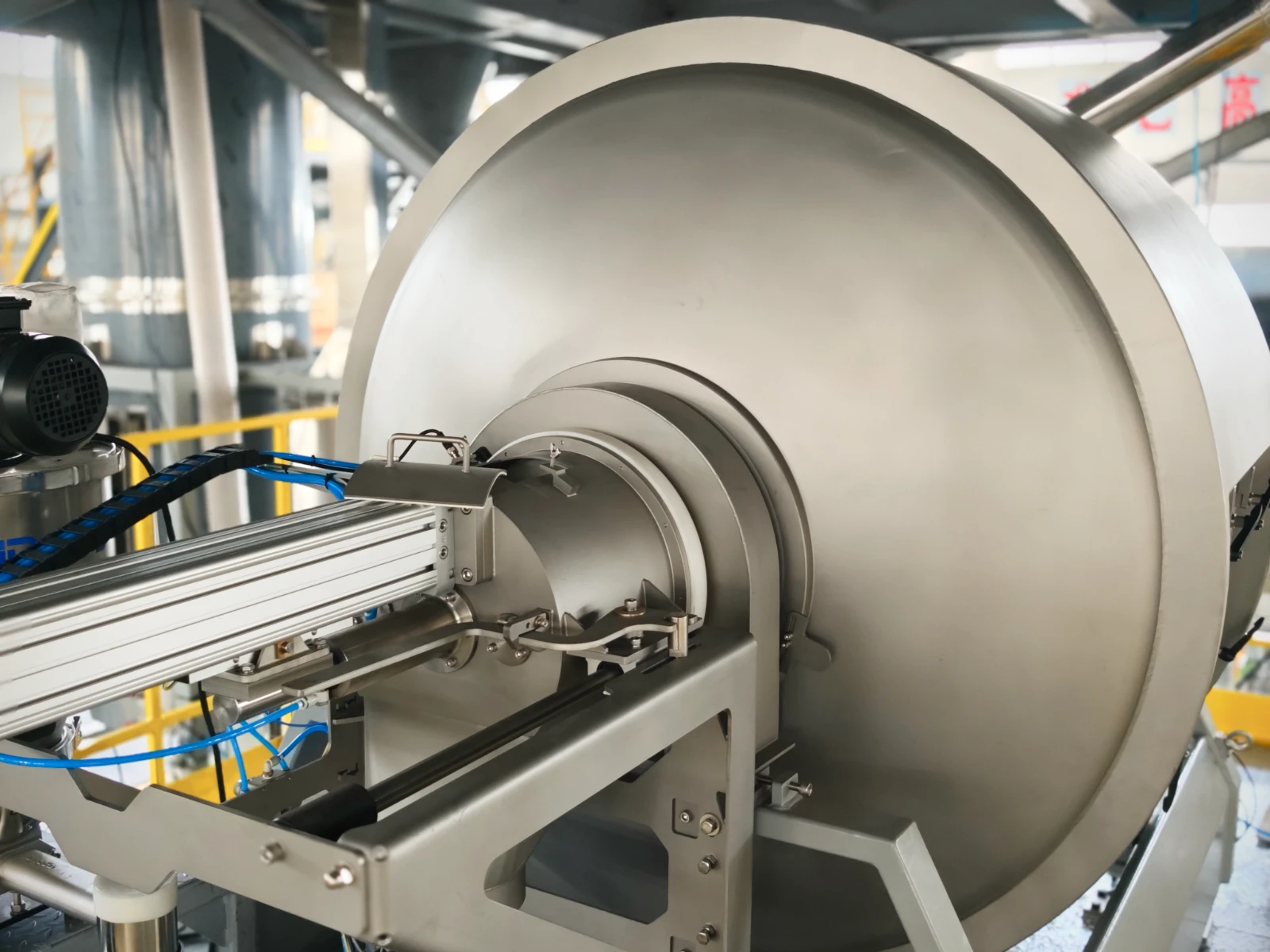
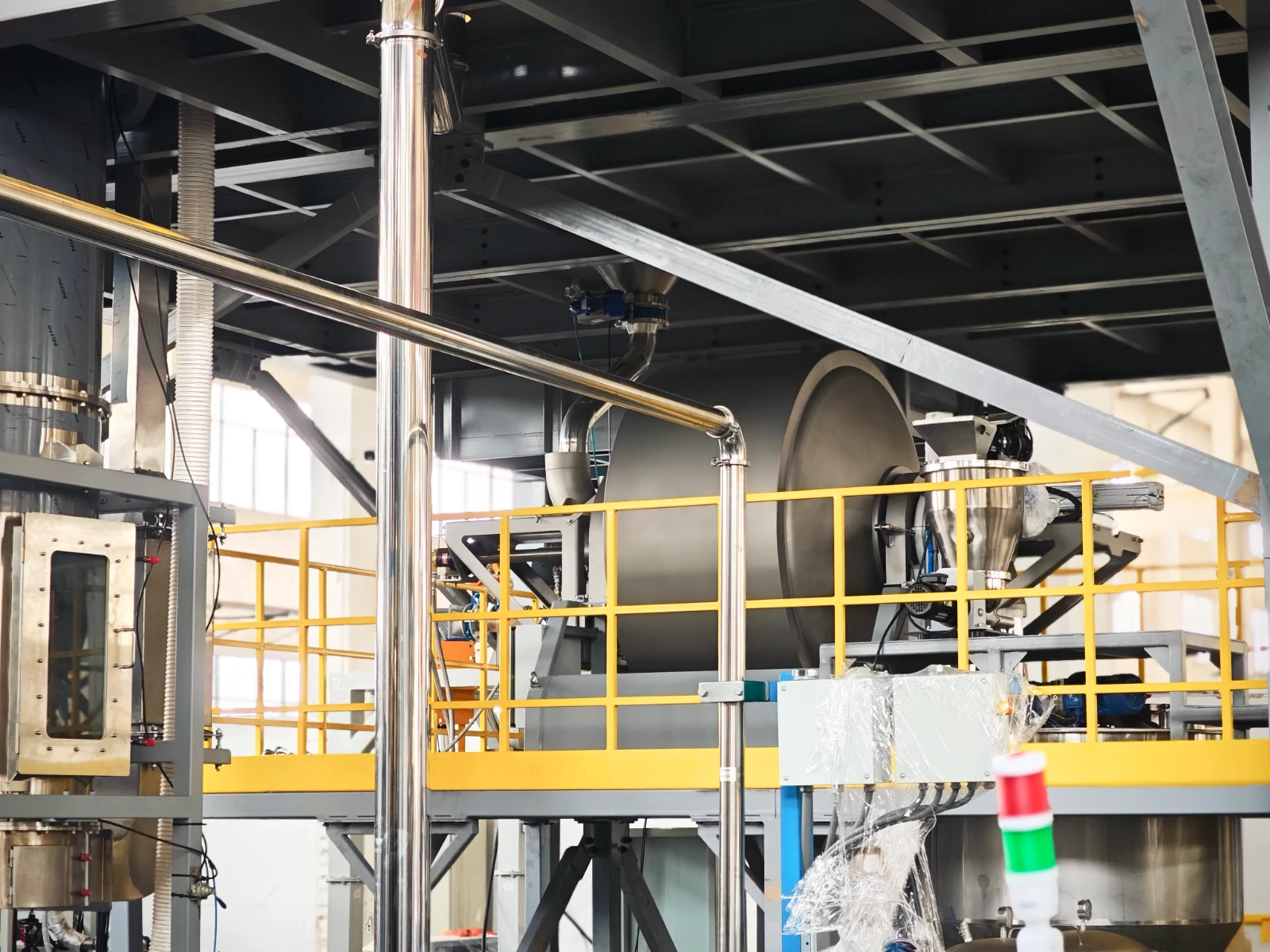
- Post-Drying DCP Absorption Line
DCP absorption unit integrated after the fluid-bed drying process
Surge hopper → Circular vibrating screen → Insulated surge hopper → Weigh hopper → Lindor mixer → Discharge hopper → Volumetric feeder + liquid dosing scale + mold temperature controller
Electrical Control System
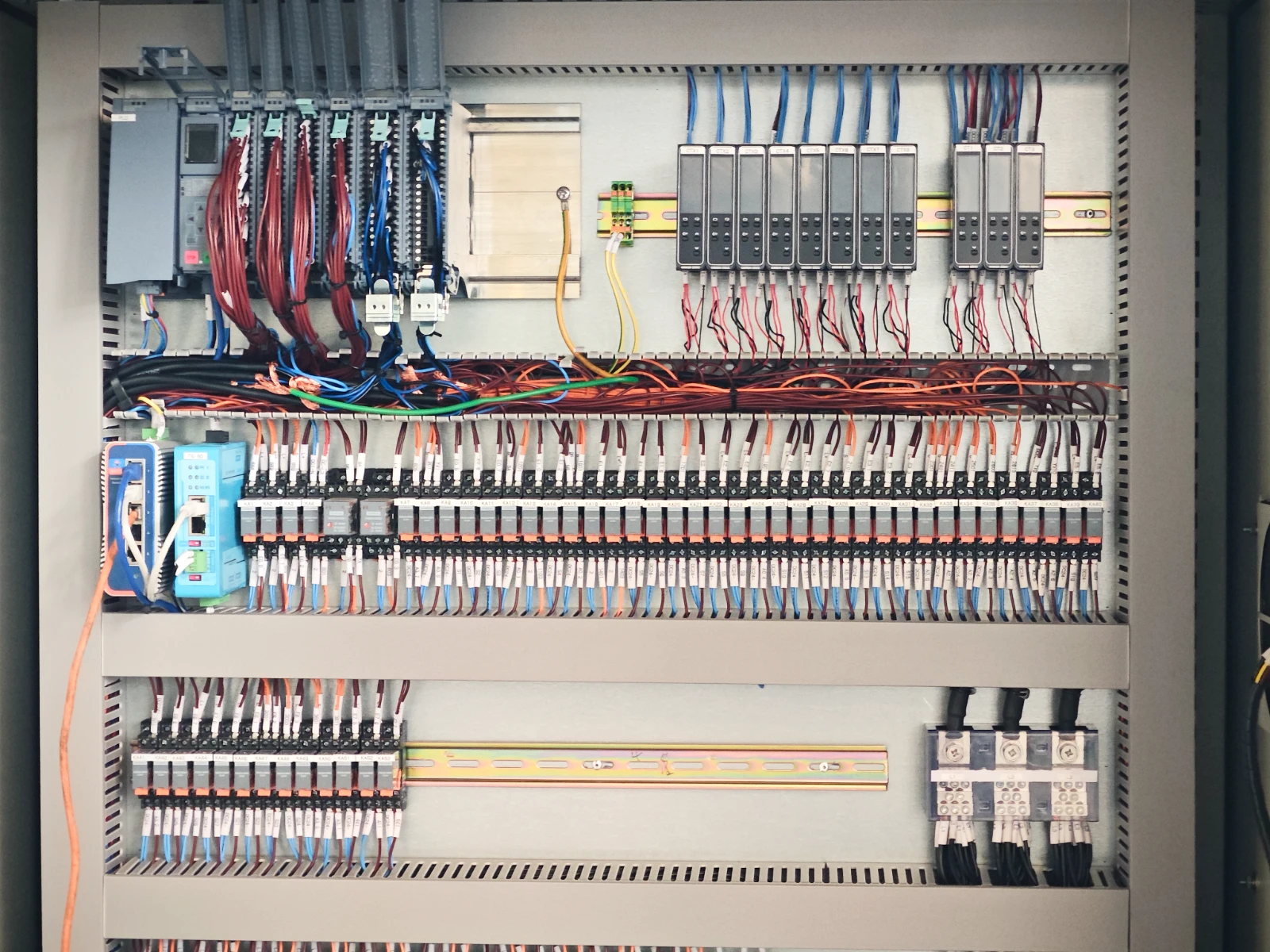
- Siemens PLC control system
- Integrated interlocking control enhances the operational stability of the entire line
- Centralized control of feeding, mixing, pelletizing, and auxiliary systems
- A high level of automation facilitates production management
- Recipe storage allows for easy switching between multiple recipes
- Process parameter storage facilitates verification and auditing
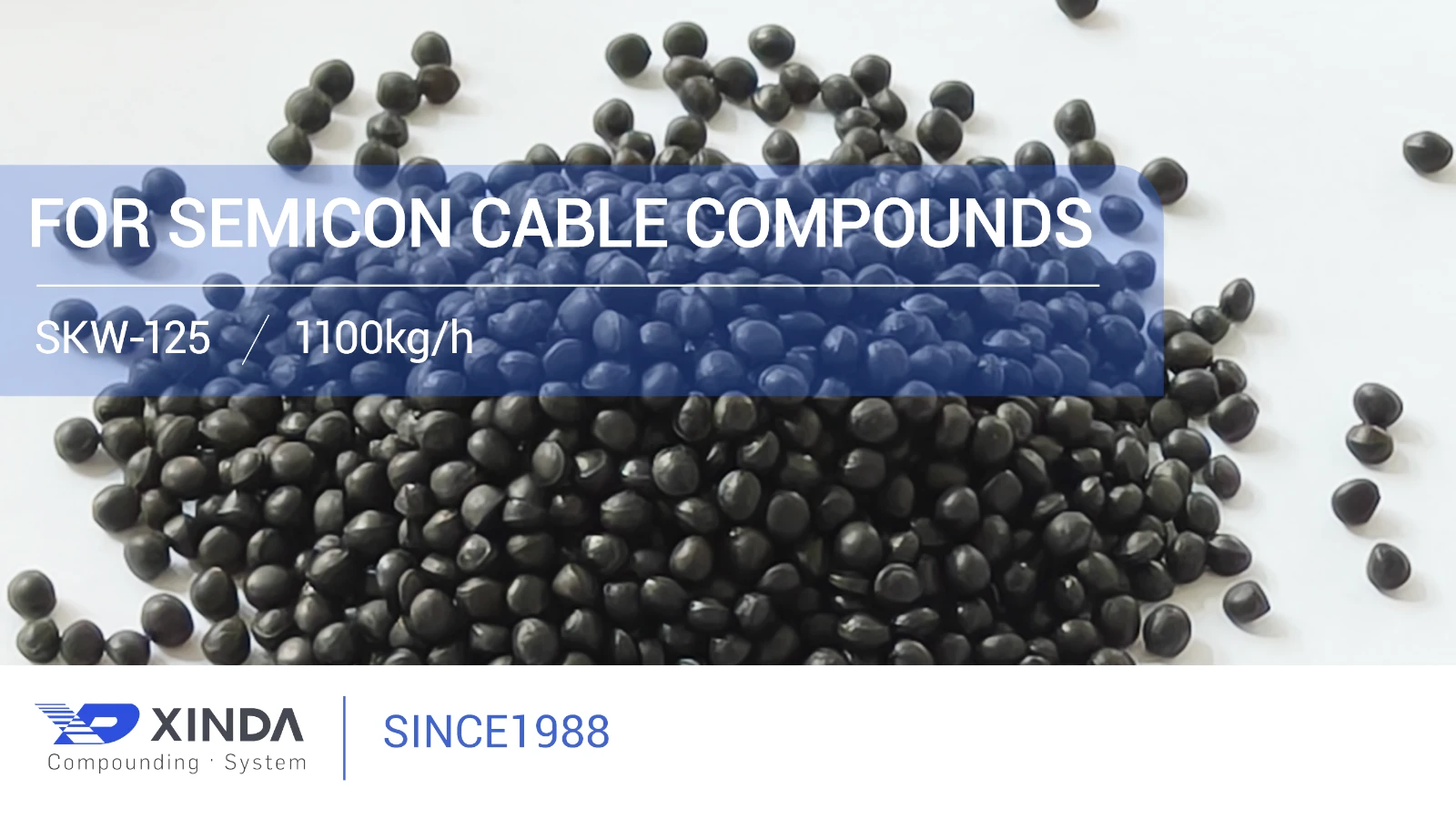
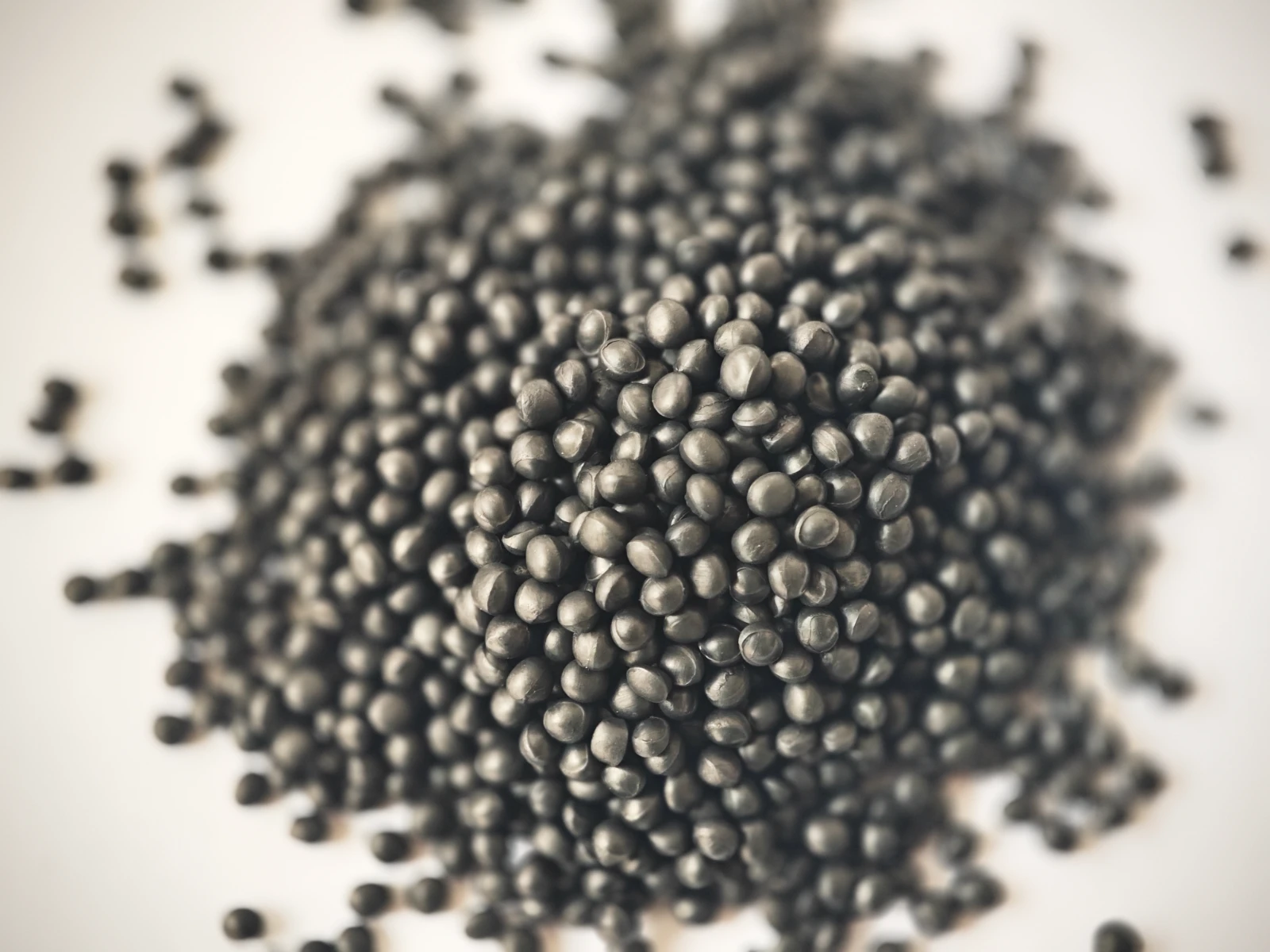
Final Product
Related News